What is Proforma Invoice & How to Make Proforma Invoice (+Template)
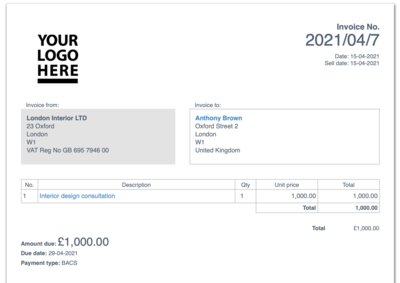
A proforma invoice is an estimate or a preliminary bill you send to a client. Learn when you should create one and find out what proforma invoice template you should use to impress clients.
Before you roll up your sleeves and get down to work, you always have to receive your client's consent on the final price and the amount of products or services to be delivered. To get that consent, you can use email, call a client, or send a message asking to confirm the suggested conditions - but none of those methods is as effective as sending one simple proforma invoice, because it offers a detailed breakdown of the services you are about to provide.
What Is a Proforma Invoice?
A proforma invoice is an estimate or a preliminary bill you send to a client. It is not used to request payment, but to agree on the conditions of a deal with a buyer before any work starts. Its content is not much different from what a sales invoice would include - a preliminary bill usually lists seller and buyer details, the products or services, their amount, and prices.
In a nutshell, a proforma invoice is a document with a seller's declaration to provide goods and services at an agreed price. Because it is not legally binding, it is not recorded in the seller's or buyer's accounting books. Using invoicing software to create an invoice, a proforma invoice, and a final commercial invoice from the same panel keeps this whole process consistent and easy to track.
No commitment, no credit card required - start a 30-day free trial and create your proforma invoice with InvoiceOcean.
How to Make a Proforma Invoice
Your proforma document should include the same information as your sales invoice, with a small exception. When creating a proforma invoice, remember to include the following details:
- the term "proforma invoice"
- invoice number
- issue date of the proforma
- buyer's and seller's contact details, such as company name, company number, address, and VAT ID if applicable
- due date
- a description of the items being sold
- net and gross prices of the items on the proforma invoice
- total amount due, tax rates, shipping information and cost, and any applicable discounts
You can also consider adding information on the time for which the prices are valid. In sectors where prices change fast, reserving the right to change prices if a client doesn't approve a deal in a timely manner can help protect your margins.
When Should You Send a Proforma Invoice?
You should send a proforma invoice ahead of the final business invoice. Sending one first actually saves time, because with online invoicing you can turn a proforma document into a final commercial invoice with just one click once the deal is confirmed.
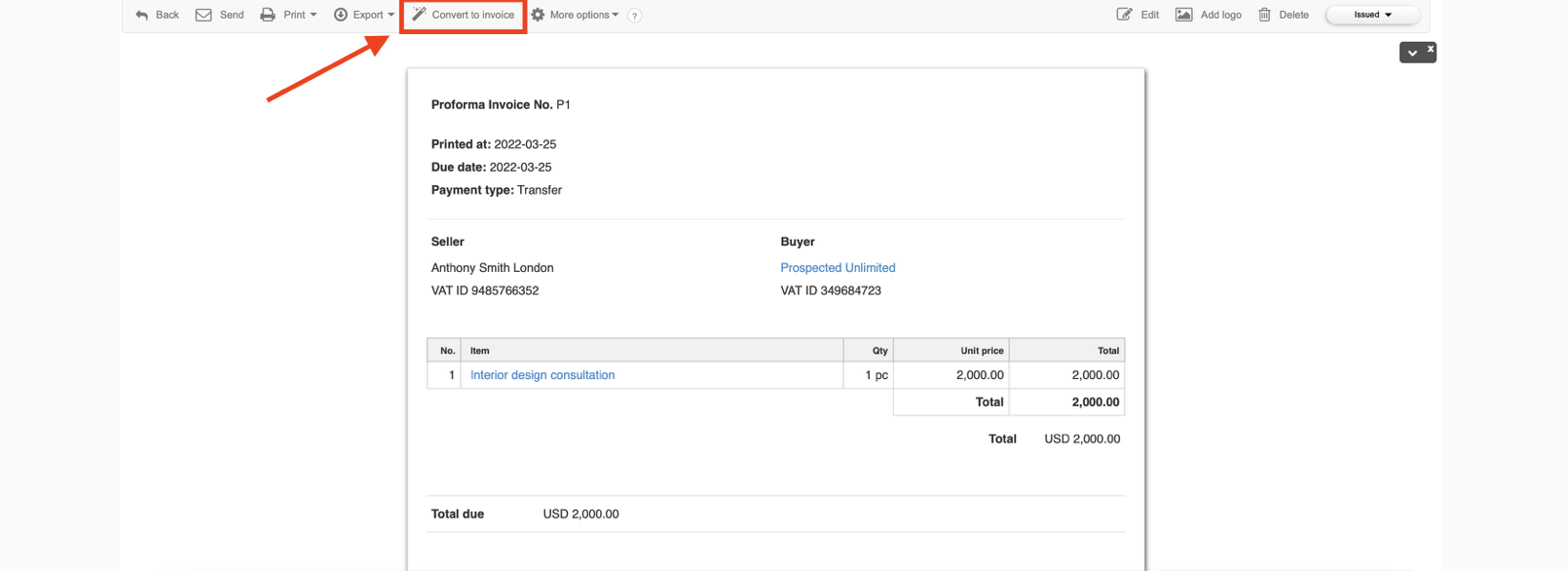
If you rely on DIY invoices in Excel or Word, expect a more time-consuming process for both the proforma and the final sales invoice, since you would have to re-enter the same data manually.
Best Practices for Handling Proforma Invoices
- Include the most important information on a proforma invoice - invoice number, goods or services to be sold, their quantity, gross and net price, billing address, and a disclaimer such as "This is not a tax invoice". Don't forget the date.
- If you buy products or services and receive a proforma invoice, don't record it in accounts payable, because you haven't made a purchase yet.
- If you sell goods or services, sending a proforma invoice shouldn't mark the moment you add it to your accounts receivable - the sale hasn't happened yet.
Proforma Invoice vs Sales Invoice
A proforma invoice is not legally binding and cannot be treated as a final commercial invoice. It is sent before a sales invoice that a customer actually has to pay, and it is commonly used to make sure a buyer and a seller agree on the deal's conditions before any commitment is made. Proforma invoices are not VAT invoices and cannot be used as a basis for reclaiming VAT - that is why it is good practice to add the note "This is not a VAT invoice" on the document.
An invoice and a proforma invoice serve different purposes: a final invoice asks a buyer to pay for goods or services already rendered, while a proforma invoice lists what will be sold and at what price, before the sale takes place. A proforma invoice is never used for accounting purposes, while a regular invoice is an important accounting document.
Common Uses: Customs Clearance and Taxes
International trade is where proforma documents are most widespread. If a business is not able to provide a sales invoice at the point of customs clearance, it has to hand over a proforma invoice instead - with a commercial invoice usually expected to follow afterwards. At customs, this document is also often used by officials to determine what taxes and duties a business should pay on imported goods, which helps avoid unnecessary delays while goods are cleared.
Creating Proforma Invoices with Invoicing Software
Word and Excel proforma invoice templates are still in use today. For some business owners, invoicing software can feel too complex, so they keep using manual entries and hand them over to an accountant at the end of the accounting year. For the accountant, this usually means extra work, since all notes have to be entered into accounting software once again - which raises costs and creates unnecessary paperwork.
You don't need complex accounting tools to avoid this. A simple invoicing tool that lets you create, record, and track every proforma and final invoice you send can noticeably improve document management and cut down on paperwork.
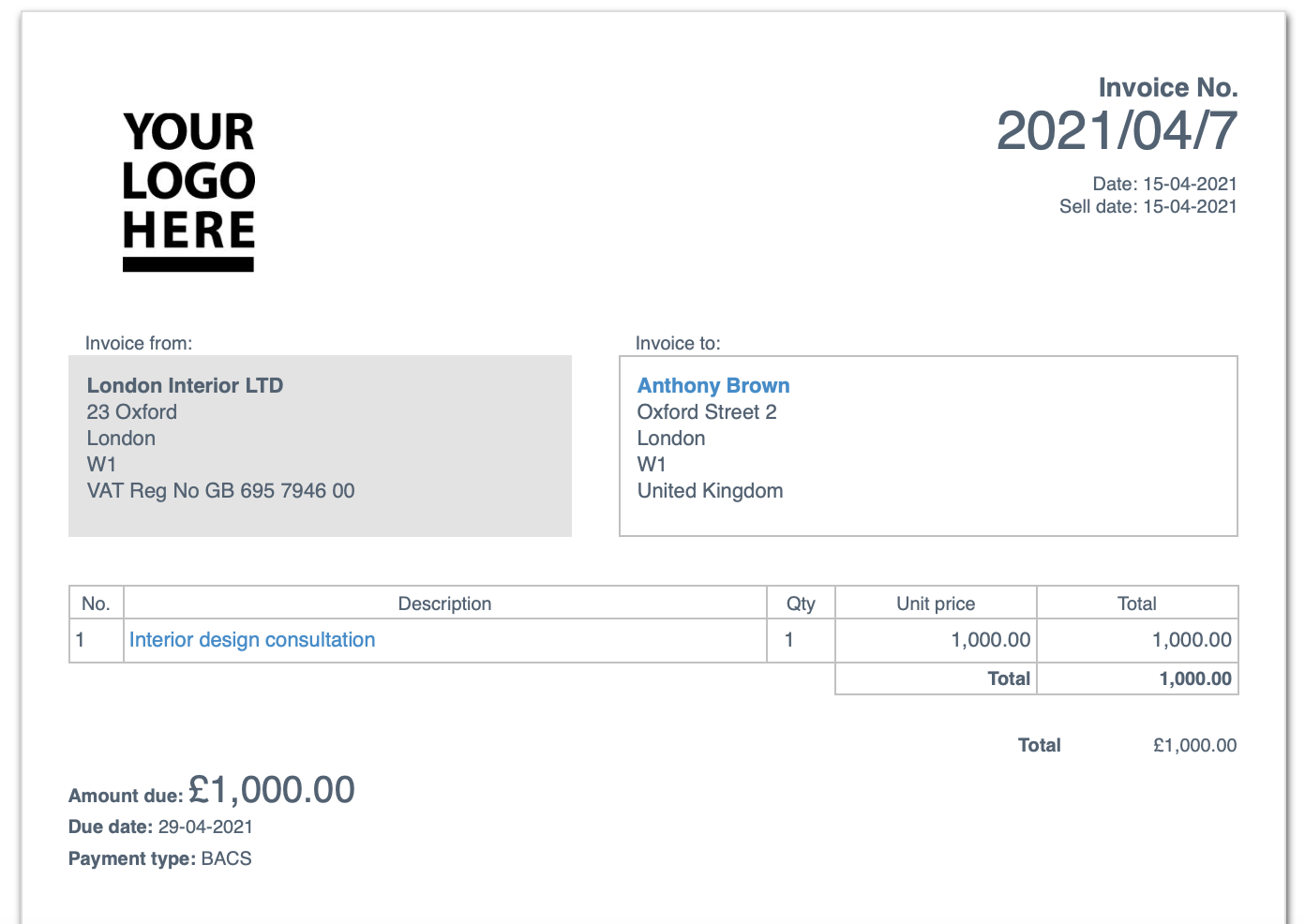
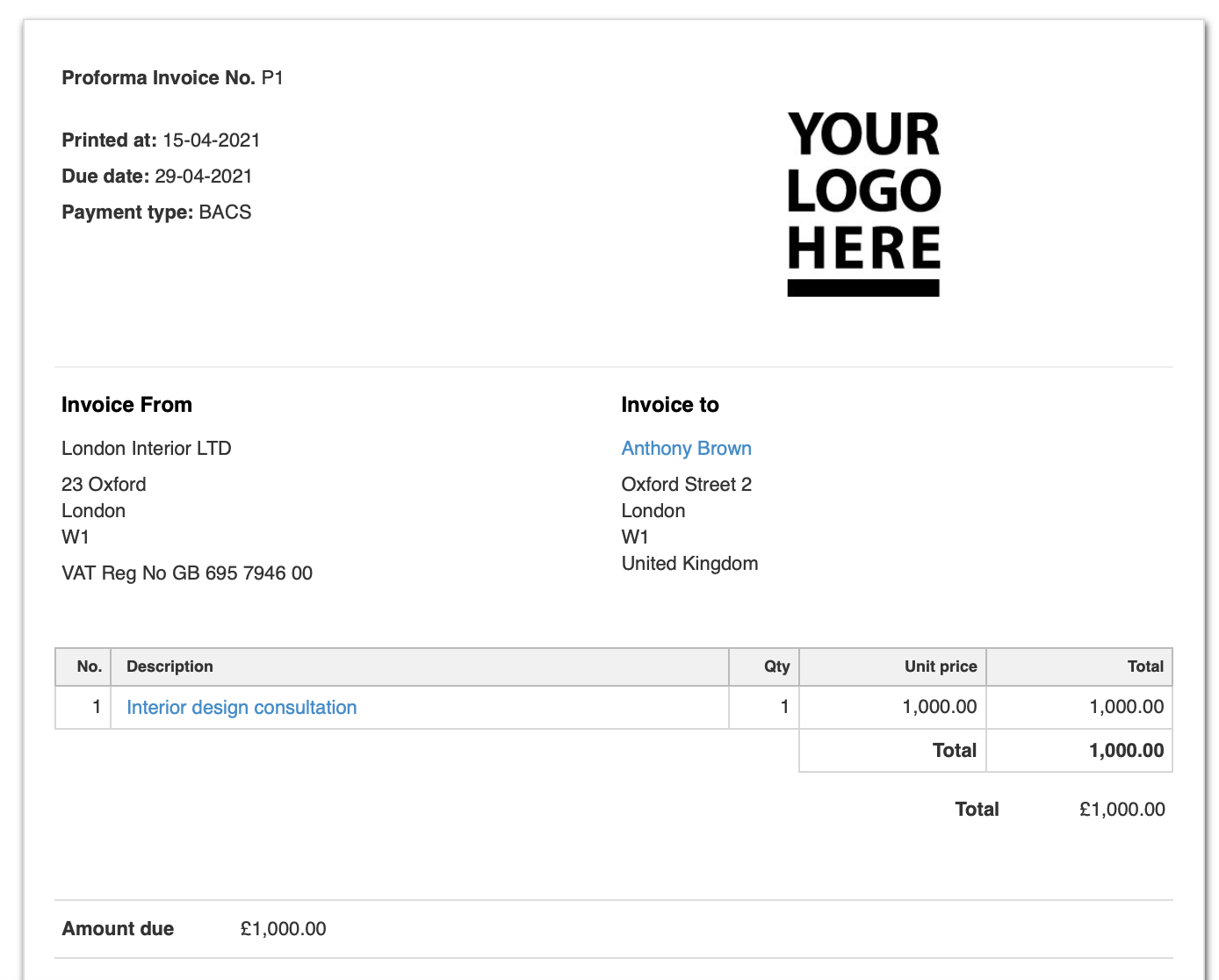
Some of the practical benefits of handling proforma invoices in InvoiceOcean:
- save time on manual sending - issue proforma invoices directly from a panel
- convert a proforma invoice into a final invoice with just a click
- organise your proforma documents in a client panel
- copy and send short links leading straight to a proforma invoice
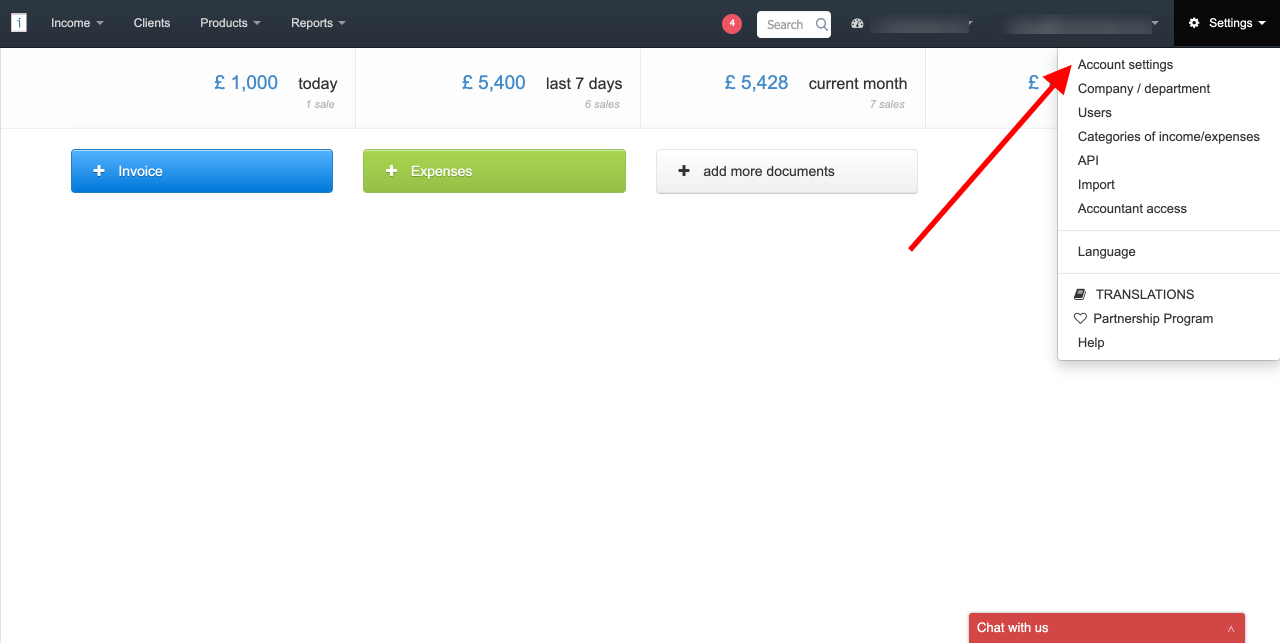
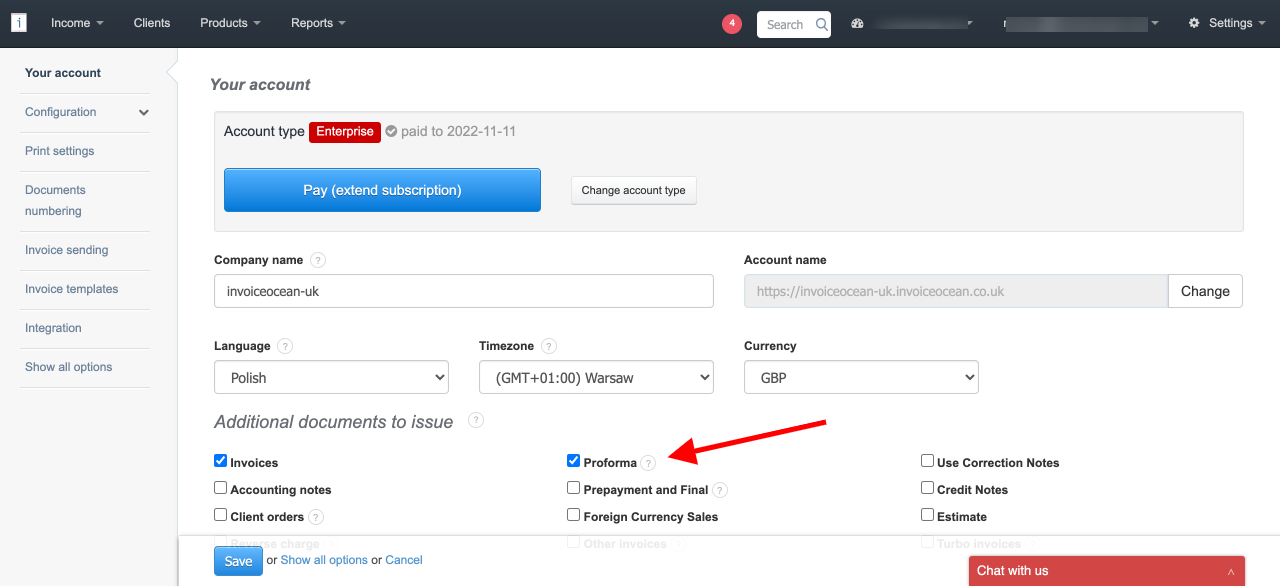
Step 1. Enable Proforma Invoices in Your Account Settings
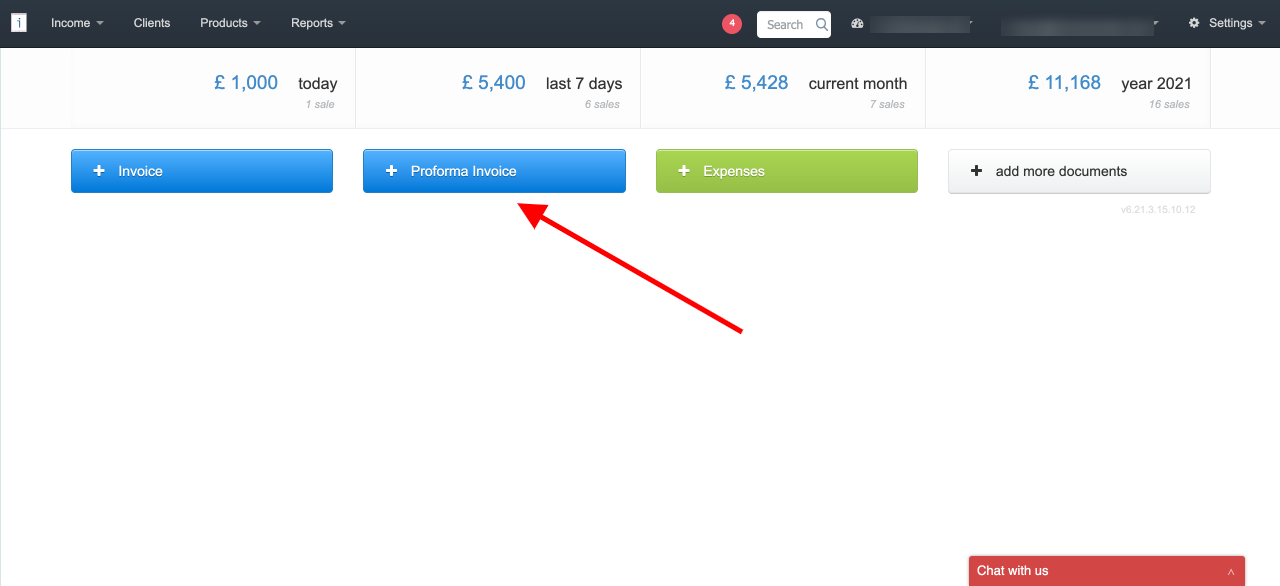
Step 2. Create a New Proforma Document from Your Dashboard
While a proforma invoice is not necessary in every situation, it is worth using whenever you want to be on the same page with a business partner before sending a final, payable invoice - and it pairs well with recurring invoices and a payment reminder workflow once the deal is confirmed. Use professional proforma invoice templates for free and see the difference for yourself.
Frequently asked questions
What is the main purpose of a proforma invoice?
A proforma invoice is a preliminary bill that sets out the seller's declaration to provide goods or services at an agreed price. It is used to reach agreement with a buyer before work starts, not to request payment.
Is a proforma invoice legally binding?
No. A proforma invoice is not legally binding and is not recorded in the seller's or buyer's accounting books. It only becomes relevant for accounting once it is converted into a final sales invoice.
What information should a proforma invoice include?
It should include the term 'proforma invoice', an invoice number, the issue date and due date, buyer and seller details, a description of the products or services, net and gross prices, tax rates, and any shipping cost or discounts.
When is a proforma invoice commonly required?
It is widely used in international trade, for example during customs clearance, where a business may need to hand over a proforma invoice if a final sales invoice is not yet available.