The complete guide to managing expenses as a freelancer
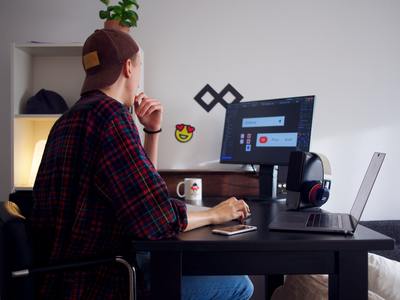
Being a freelancer gives a lot of freedom, a possibility to work from anywhere – like on the beach with a drink or in pajamas from bed. That sounds good till the moment one finally tries to work as a freelancer – it doesn’t take long to see the downside of this undertaking.
Being a freelancer gives a lot of freedom, a possibility to work from anywhere - like on the beach with a drink or in pajamas from bed. That sounds good till the moment one finally tries to work as a freelancer - it doesn't take long to see the downside of this undertaking.
Income volatility is a major one - before you cover your next trip away, you still have to pay an accountant, taxes, cover professional tools for work, and get ready for the times when no clients come with new gigs.
There is definitely more worry compared to a nine-to-five job. In this article, we want to show you how managing expenses the right way can help you regain predictability in the next day and keep doing what you love without worrying about tomorrow. Shall we start?
Keep business and personal finances separate
When being self-employed or managing a small company, you won't see a big difference between your personal and business finances - anything you earn you would record as remuneration. However, it's important to divide your business and personal expenses to avoid problems with accounting and your local tax office.
Through buying a product or service using a business account, your expenses become a business cost. By generating an expense, you also reduce the income which is taken into account to calculate the taxes you pay. While this is the case for many expense invoices, you have to remember that trips and dinners won't always be considered a business expense.
To keep accounting clear, make sure you divide your business and personal accounts and spend only the money you transfer to your personal account after paying all business expenses. It also helps to keep your billing itself clean: using dedicated invoicing software to create an invoice for every client, rather than mixing personal notes and business paperwork, makes it far easier to see exactly what your business earned and spent in a given period. Also, make sure you know where the line between personal and business lies in the country where you have registered your company or are self-employed. These rules can differ, so instead of examining this topic on your own, ask your accountant or a legal advisor.
Build financial stability
Build your emergency fund
A freelancer's income is often volatile and as in any business, you can't be sure what the next day brings. That's why instead of pinning your hopes on having a stable income, prepare for the times when clients resign from projects or no new gigs come up.
Make sure you freeze the money you would need for at least a few months to cover expenses - both business and personal. In some cases, to be safe, you would want to increase your emergency fund further, especially if you have a mortgage or other regular expenses.
Every month, you should be sending some money to your savings account, so when your major client suddenly suspends cooperation, you have enough time to hunt for new freelance projects. Be realistic when spending money, start small, establish a routine of saving, and make the fund available in case some emergency arises. Don't de-prioritize your well-being either - if you start spending less than you need for basic expenses in an attempt to save more, you will quickly notice the drop in your standard of living.
Diversify your income streams
Income volatility is one of the main fears you could have when considering working as a freelancer. If you want to gain more stability, you could look for other ways to earn during the low-income seasons. For example, you could set up a small side venture and develop it while working on growing your freelance client base. Every little counts.
Here are a few ideas to get you started:
- Resell things - some people buy items secondhand to sell them on for a profit later.
- Affiliate marketing - help sell someone else's products.
- Test digital products - take part in usability testing and provide feedback online.
- Lease your apartment or a spare room.
- Offer copywriting or translation services to companies from abroad.
- Become a tutor - teach others what you can do.
- Become an influencer - grow your social media following and sign contracts with brands.
Learn from others and invest in the right tools
Learn from experienced freelancers
Understanding how others are managing their expenses is another way to grow your freelance business while avoiding costly mistakes. Make a list of resources that can inspire you with ideas on cutting expenses and landing more high-margin clients. Here are just a few ideas you can consider:
- Find blogs written by freelancers just like you and learn how they deal with the financial challenges of freelancing.
- Search for relevant finance books, read their reviews, and choose those that are the most actionable and tip-focused.
- Look for personal finance podcasts and listen when you are on the go - driving, walking, or cleaning up.
- Attend meetups, including online ones, where you can talk to peer colleagues and ask about their tips on saving more.
Invest in the right tools
If you do simple math, whenever you cut spending, you can start generating a higher margin. However, that is only true if you look at the revenue you receive right now. When thinking of expenses, freelancers would want to cut them as much as possible, but they miss something else - expenses are one side of the equation and revenue is the other. By growing your revenue, even if your expenses stay the same or slightly increase, you would still earn more.
Before you start cutting your expenses, think about how you could raise your productivity, so you can take on more projects and increase your profit margin. It's worth considering remote work apps that can help you get more out of your time. Some tools can have a tremendous effect on the time you spend finalizing a task, whether that's translation software, a PDF conversion tool, or online invoicing that lets you create an invoice from a saved template in seconds instead of building one from scratch every time. For a freelancer juggling several clients, small business invoicing tools that support recurring invoices and an automatic payment reminder can save hours every month that would otherwise go into chasing paperwork.
Manage taxes and track your time
Remember about taxes
Before you read any advice on managing your taxes, consult with a professional - a legal advisor or your accountant. Here, we want to give a perspective on how important the knowledge about taxes is for freelancers, not legal advice.
While an accounting professional can manage all taxes for you, you have to remember one key thing - freeze enough money for the tax time, so you can make a payment to the tax office. Taxes for the self-employed vary across countries, there are different tax-free thresholds, and accounting requirements. If you don't have the required education and experience in these areas, it's absolutely a necessity to work with a person who can explain it to you in depth and help submit your taxes in the periods required by the country where you reside or register your company.
Keep track of your time
Make sure you know how much time you spend on each project and that you bill clients fairly. Without recording the time spent on your project, you won't even know if you charge clients the right amount of money. It can happen that you spend the most time on the project that never pays off.
When keeping track of the time by using time tracking tools, you will be able to learn what projects generate the most revenue and what you have to suspend because they are too time-consuming to ever pay off. Remember that every minute spent on top of what's been agreed with the client initially, and accounted for in the estimate, is your expense. You can always spend that time on another project and earn more, instead of subsidizing the projects that go beyond the framework you have agreed upon with your client.
Wrapping up
There is always a chance that you end up with fewer projects than you need to cover your personal and business expenses. While you should always be working to grow your customer base and making your freelance income more predictable, you have to get ready for the times when you need to tighten the belt.
By keeping your expenses under control, and using tools such as invoicing software to create an invoice quickly, send a timely payment reminder, and set up recurring invoices for regular clients, you won't worry next time a major client suspends cooperation. Consider at least testing out the tips we have covered and see for yourself what difference they can bring to your freelance business.
Frequently asked questions
Why is it important to keep business and personal finances separate as a freelancer?
Separating accounts makes accounting clearer, helps you correctly calculate the taxes you owe, and avoids problems with your local tax office, since not every personal expense counts as a business cost.
How much should a freelancer keep in an emergency fund?
The article suggests freezing enough money to cover at least a few months of business and personal expenses, and increasing that cushion further if you have a mortgage or other regular financial commitments.
How can invoicing tools help a freelancer manage expenses?
Using invoicing software to create an invoice from a template, set up recurring invoices for ongoing clients, and send an automatic payment reminder saves time on paperwork and helps payments arrive faster.
What are some ways freelancers can diversify their income?
The article mentions reselling items, affiliate marketing, testing digital products, leasing a spare room, offering copywriting or translation services, tutoring, and building an audience as an influencer.